Labor Shortage Solutions How Top Landscaping Companies Attract and Retain Quality Crew Leaders
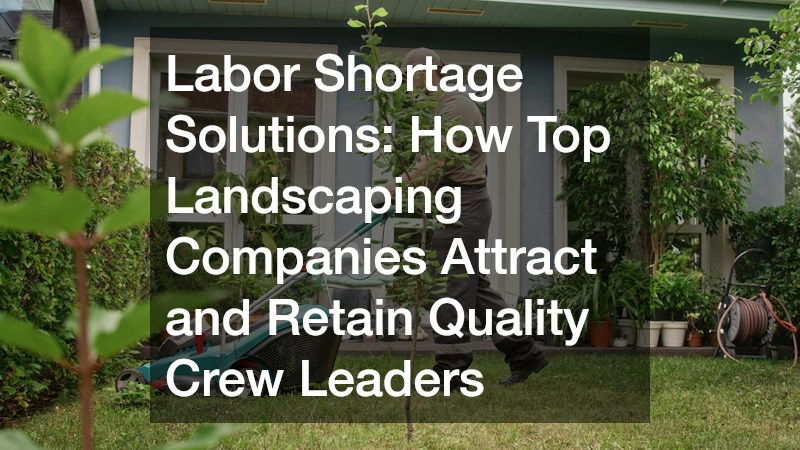
The green industry is facing an unprecedented operational challenge. Across the country, landscape contractors report that their single greatest growth bottleneck is not a lack of customer demand, sales leads, or capital equipment. It is the persistent, systemic shortage of qualified field labor. While finding entry-level laborers remains a constant struggle, the shortage is most acute at the mid-level field leadership stage: the crew leader.
Crew leaders are the operational backbone of any successful landscaping enterprise. They manage daily job-site production, maintain safety protocols, operate complex machinery, enforce quality standards, and represent your brand directly in front of homeowners and property managers. When a great crew leader leaves, the ripple effects are immediate: job site productivity plunges, customer complaints rise, equipment maintenance falls behind, and remaining team members experience acute burnout.
Solving this challenge requires a fundamental shift in mindset. Successful landscape business owners no longer view hiring as a seasonal, reactive scramble to fill open trucks. Instead, they treat talent acquisition and retention as a core business process, building structured environments where ambitious professionals want to build long-term careers. This comprehensive guide outlines the exact strategies top-performing landscape companies use to attract, cultivate, and retain top-tier field leaders.
Modernizing Compensation and Benefit Packages

To attract experienced field leaders in a competitive blue-collar job market, landscape companies must rethink traditional pay structures. Offering a flat hourly rate slightly above minimum wage is no longer sufficient to attract individuals who possess strong technical skills, crew management abilities, and a clean driving record.
Competitive Base Pay and Performance-Based Incentives
Top-tier contractors are replacing static wage models with dynamic compensation packages that align field performance with company profitability.
- Production-Based Bonuses: Successful companies tie crew leader bonuses directly to job-costing metrics. When a crew completes a project under the estimated labor hours while maintaining quality standards, the crew leader earns a direct percentage of the saved labor dollars.
- Quality and Safety Multipliers: Bonuses should be conditioned on maintaining zero safety incidents, zero customer call-backs, and zero unexcused absences during the pay period.
Comprehensive Health and Wellness Coverage
Professionalizing field leadership means offering benefits that rival those found in corporate or trades environments.
- Health and Medical Coverage: Providing health insurance options, dental coverage, and vision plans signals to candidates that your company views landscaping as a legitimate, professional career path.
- Paid Time Off (PTO): Offering earned paid vacation and sick leave helps prevent mid-season exhaustion and allows field leaders to rest without sacrificing their livelihood.
Protecting Your Workforce Infrastructure
Building a secure workplace environment requires establishing professional legal and operational frameworks that protect both the employee and the business.
- Compliant Employment Frameworks: Leading businesses consult with established law offices to draft clear employment agreements, clarify overtime policies, and ensure all workplace practices comply with state and federal labor regulations.
- Workplace Injury Protection: Accidents can occur even on well-managed job sites. Partnering with a skilled best workers comp lawyer ensures that injured team members receive proper medical care and structured return-to-work support, while protecting the business against improperly managed claims.
Designing Clear Career Pathways and Continuous Skill Development
High-performing crew leaders rarely stay at companies where their career prospects feel stagnant. To retain top talent, landscape owners must provide a transparent, achievable roadmap for personal and professional advancement.
Transparent Promotion Ladders
Publishing an explicit career matrix shows team members exactly what skills, certifications, and behaviors are required to advance to the next pay tier.
- Skill Checklists: Define specific, measurable competencies required for each role—such as trailer towing proficiency, bilingual communication, equipment operation, and digital time-tracking accuracy.
- Structured Performance Reviews: Conduct formal bi-annual performance evaluations where crew leaders review their progress along the career matrix and set clear goals for their next wage increase.
Specialized Technical Training Programs
Investing in your team’s technical knowledge elevates their professional confidence and expands your company’s service capabilities.
- Industry Certifications: Cover the costs for promising team members to earn recognized credentials, such as Certified Landscape Technician (CLT) status, commercial driver’s licenses (CDL), or state pesticide applicator licenses.
- Manufacturer Workshops: Send crew leaders to factory training sessions held by equipment manufacturers to master proper maintenance, operation, and troubleshooting techniques.
Diversifying Field Experience
Exposing leaders to varied technical divisions keeps their work engaging and expands their overall horticultural and construction expertise.
- Turf Management Expertise: Enrolling leadership candidates in specialized training programs offered by established lawn fertilizing companies equips them to identify turf diseases, soil deficiencies, and nutrient requirements on client properties.
- Structural Construction Skills: Expanding your division capabilities by training leaders in modern hardscaping techniques—such as installing segmental retaining walls, natural stone patios, and outdoor living structures—allows crews to transition smoothly between routine maintenance and high-margin installation projects.
Leveraging Technology and Equipment to Reduce Field Burnout
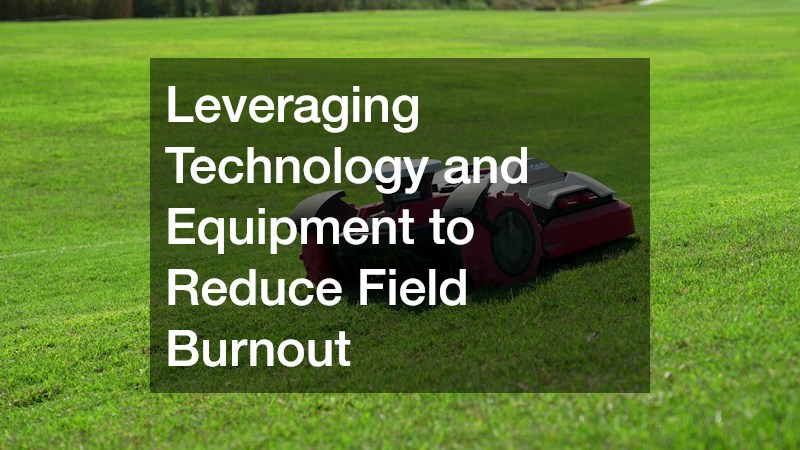
Landscaping is physically demanding work. Over time, physical wear and tear takes a heavy toll on field staff. Forward-thinking companies actively use technology and modern machinery to eliminate manual strain and streamline daily field administration.
Upgrading to Modern Equipment Fleets
Investing in efficient, ergonomic machinery preserves your workers’ energy and allows smaller crews to achieve higher daily output.
- Mechanized Material Handling: Equip crews with stand-on compact utility loaders, mini-excavators, motorized wheelbarrows, and automated ramp systems to minimize heavy manual lifting on construction sites.
- Ergonomic Power Tools: Transition to balanced, low-vibration power tools and lightweight battery-powered equipment suites that reduce operator fatigue and lower noise exposure during long shifts.
Implementing Mobile Field Management Software
Outdated administrative processes generate immense friction for crew leaders who would rather focus on driving job-site quality.
- Digital Routing and Time Tracking: Replace lost paper timesheets and handwritten directions with intuitive mobile apps that provide clear turn-by-turn routing, job notes, and single-tap clock-in features.
- Site Photo Verification: Allow leaders to upload before-and-after photos directly through their mobile devices to verify completed work, document pre-existing property damage, and streamline client invoicing.
Streamlining Operations via Specialized Outsourcing
During peak seasonal surges, overburdened crew leaders can easily become overwhelmed by competing operational demands. Strategic partnerships help keep field operations manageable.
- Outsourcing Specialized Turf Care: Contracting out complex chemical treatments or specialized application schedules to an established commercial lawn care service frees your internal leaders to focus on core maintenance and construction contracts without spreading their time too thin.
- Strategic Service Subcontracting: Partnering with a dedicated regional provider known for best lawn care services allows your company to fulfill specialized customer requests seamlessly while keeping your internal crews focused on optimized, high-density service routes.
Fostering an Owner Mindset Through Autonomy and Leadership Training
The best crew leaders do not want to be micromanaged; they want to take genuine pride and ownership in their work. Transitioning field workers into effective leaders requires deliberate coaching in soft skills and decision-making authority.
Delegating On-Site Decision-Making
Empowering crew leaders to solve problems directly on the job site builds trust and speeds up operational execution.
- Discretionary Site Budgets: Provide crew leaders with a small weekly discretionary budget to resolve minor client issues instantly—such as purchasing a replacement plant or repairing a damaged irrigation head—without needing prior office approval.
- Direct Customer Interaction: Coach leaders on how to greet clients professionally, explain daily job progress, and address minor property concerns directly, building strong client rapport and professional pride.
Soft-Skills and Communication Coaching
Technical skill alone does not make a great supervisor. Companies must actively train leaders in human management and communication.
- Conflict Resolution Training: Teach leaders how to manage interpersonal conflicts among crew members calmly, address performance issues constructively, and maintain a respectful team culture.
- Leadership Workshops: Provide regular management coaching on task delegation, time management, active listening, and motivating team members with diverse backgrounds.
Understanding Structural and Site Safety Standards
Giving field leaders a broader perspective on site physics and civil engineering helps them identify hidden job-site hazards before expensive problems arise.
- Site Evaluation Awareness: Educate supervisors on structural grading, soil compaction, and drainage dynamics so they can spot early red flags—such as severe erosion, soil settling, or failing residential foundation repairs—and alert property owners before commencing heavy excavation or planting work.
Comprehensive Risk Management and Employee Protection
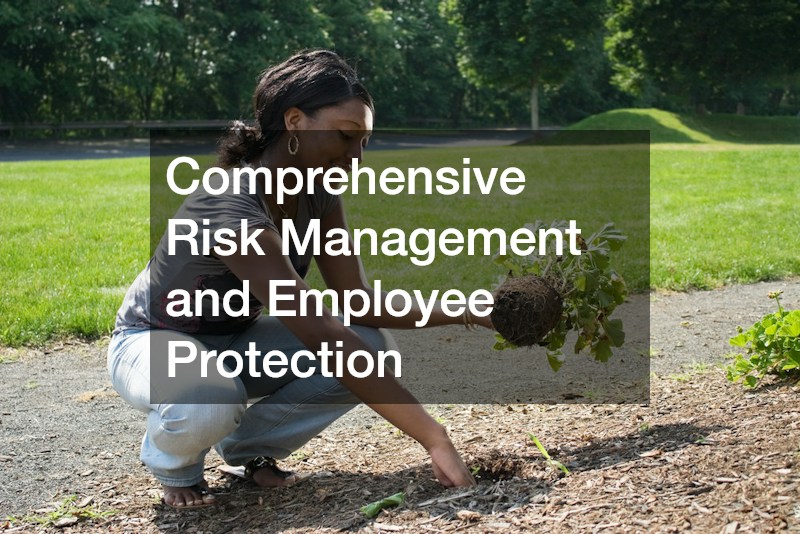
Field employees notice when a company treats safety as a core value rather than a mere regulatory requirement. Establishing a safe, supportive work environment demonstrates genuine care for your team’s physical well-being.
Building a Culture of Safety First
A robust safety culture reduces costly workplace injuries, lowers insurance premiums, and builds deep operational trust with your staff.
- Tailgate Safety Meetings: Hold mandatory, interactive weekly safety briefings—conducted in all primary languages spoken by your workforce—covering specific seasonal hazards, tool operation, and heat safety.
- Mandatory Equipment Checkouts: Ensure no team member operates heavy machinery, power tools, or towing setups without passing a formal, hands-on safety checkout process.
Managing On-the-Job Injury Protocols
When injuries occur, having a clear, compassionate response protocol helps injured workers recover quickly while keeping operations on track.
- Light-Duty Return-to-Work Programs: Create meaningful, modified-duty administrative or light shop roles that allow recovering employees to return to work safely without risking re-injury.
- Clear Emergency Procedures: Equip every truck with accessible first-aid kits, eyewash stations, and clear written procedures for reporting and treating injuries immediately.
Navigating Legal and Medical Leave Complexities
Managing long-term illnesses, non-work injuries, or personal leaves requires careful attention to statutory compliance and employee rights.
- Statutory Compliance Management: Working closely with an experienced disability attorney ensures that medical leaves, accommodation requests, and statutory claims are processed fairly, transparently, and in strict compliance with federal and state employment laws.
Structuring Incentive-Driven Retention and Team Culture
Attracting great talent gets workers through the door; a positive, rewarding company culture is what keeps them on your team for years.
Recognizing and Rewarding Field Leadership
Regular recognition reinforces high performance and lets team leaders know that their hard work is noticed and appreciated by management.
- Peer-Nominated Awards: Establish monthly or quarterly awards—voted on by management and peers—that reward crew leaders who exemplify company values, safety standards, and operational excellence.
- Profit-Sharing Programs: Create annual profit-sharing pools for senior crew leaders, directly linking their long-term tenure and operational efficiency to the financial success of the business.
Promoting Work-Life Balance
Preventing mid-summer burnout is critical for maintaining high retention rates in the green industry.
- Four-Day Workweek Options: Many top contractors successfully run four 10-hour workdays (with Fridays reserved for rain makeups), giving crews predictable three-day weekends to rest and spend time with family.
- Overtime Management Caps: Set reasonable daily and weekly overtime limits to prevent severe physical exhaustion during peak spring surges.
Integrating Core Service Lines for Long-Term Job Security
Companies that offer diversified, year-round services provide the employment stability that top crew leaders seek.
- Comprehensive Service Bundles: Combining seasonal landscape construction with steady, year-round lawn care contracts creates consistent revenue streams that support reliable, full-time year-round employment.
- Recurring Service Contracts: Building custom annual lawn care programs generates stable monthly cash flow, giving business owners the financial security needed to offer competitive base salaries, benefits, and long-term retention bonuses to key team leaders.
Step-by-Step Implementation Roadmap for Landscape Business Owners
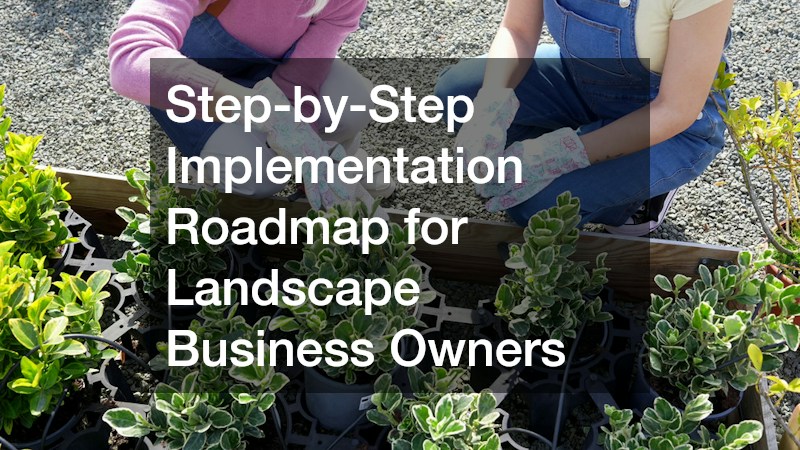
Transforming your commercial lawn care service talent pipeline requires steady, systematic effort. Follow this step-by-step roadmap to modernize your hiring and retention systems over the next two quarters.
Step 1: Audit Current Compensation and Retention Metrics
Analyze your past three years of hiring and turnover data to establish a clear operational baseline.
- Calculate your annual crew leader turnover rate and the financial cost of recruiting, onboarding, and training replacements.
- Conduct anonymous stay interviews with your current top performers to discover what they value most about your company and where they see room for improvement.
Step 2: Publish Clear Advancement Ladders and Skill Checklists
Document transparent career paths so every current and prospective employee understands how to advance within your organization.
- Draft clear job descriptions for every field tier, specifying required technical skills, certifications, and leadership capabilities.
- Publish exact wage bands tied to each advancement level so team members know what skills are needed to earn higher pay.
Step 3: Upgrade Field Tools and Administrative Software
Remove daily operational hurdles by modernizing the machinery and software your teams use every day.
- Equip field teams with intuitive mobile software to eliminate paper timesheets, manual job logging, and confusing paper maps.
- Audit your machinery fleet and replace failing or high-maintenance tools that cause job-site downtime and employee frustration.
Step 4: Formalize Legal, Safety, and Risk Partnerships
Strengthen your operational infrastructure by working with qualified legal and insurance professionals.
- Review employee handbooks, safety protocols, and employment contracts to ensure full legal compliance.
- Establish clear light-duty policies and return-to-work programs to support injured workers through proper recovery.
Overcoming the green industry’s labor shortage is not a matter of luck, nor is it about waiting for market conditions to change. The top-performing landscape companies that continue to grow year after year do so because they treat field leadership as a respected, desirable, and well-compensated profession.
By offering competitive pay, providing modern machinery, establishing clear career paths, and fostering a supportive safety culture, you can build an organization that naturally attracts and retains top-tier crew leaders. Investing in your field leadership pays immediate operational dividends—leading to higher job-site efficiency, superior craftsmanship, satisfied long-term clients, and a resilient, profitable business built for sustainable growth.

